Why In-Store Brand Experience Matters More Than Ever in offline Retail

By Bunty Singh
In today’s competitive retail environment, customers are no longer influenced by products alone, they are influenced by how a brand makes them feel inside the store. As e-commerce continues to reshape buying behaviour, physical retail stores now serve a much bigger purpose than transactions. They have become experience centres where brands build trust, engagement, and long-term customer loyalty.
For brands operating in FMCG, consumer durables, electronics, fashion etc, creating a strong in-store brand experience is no longer optional. It is a core part of successful retail execution management and retail visibility strategy in India.
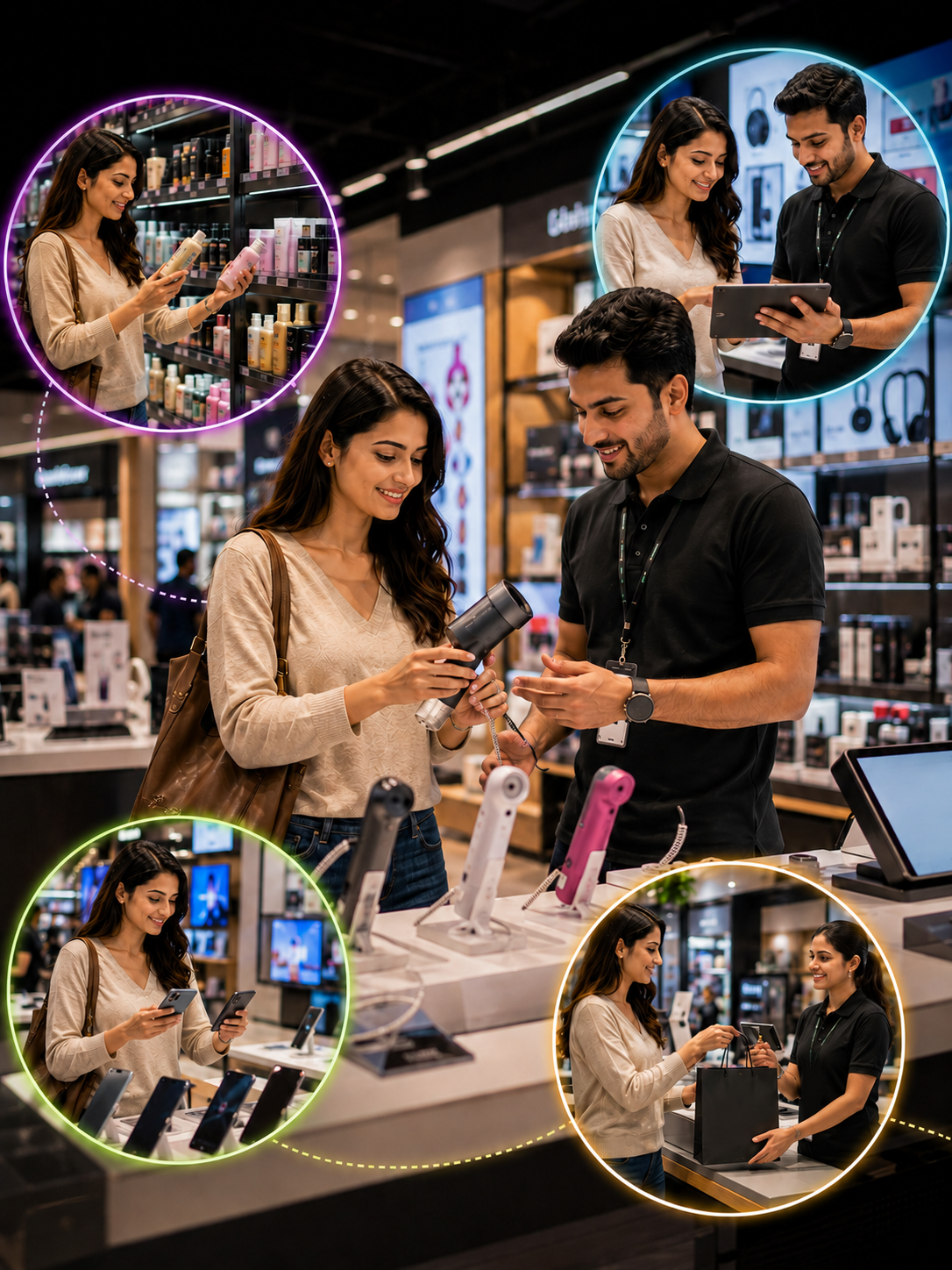
What Is In-Store Brand Experience?

In-store brand experience refers to every interaction a customer has within a retail environment – from store layout and visual merchandising to promoter interactions, product placement, technology integration, and checkout convenience.
It is the combination of:
  • Visual merchandising
  • Brand activation
  • Shopper engagement
  • Planogram compliance
  • Store ambience
  • Product accessibility
  • Staff behaviour
  • Retail technology integration
Together, these elements shape how customers perceive a brand at the point of sale.
For retailers and brands alike, the in-store experience directly impacts:
  • Purchase decisions
  • Brand recall
  • Customer loyalty
  • Basket value
  • Repeat footfall
  • Sales conversions

Why In-Store Brand Experience Matters:

1. Customers Expect Experiences, Not Just Products
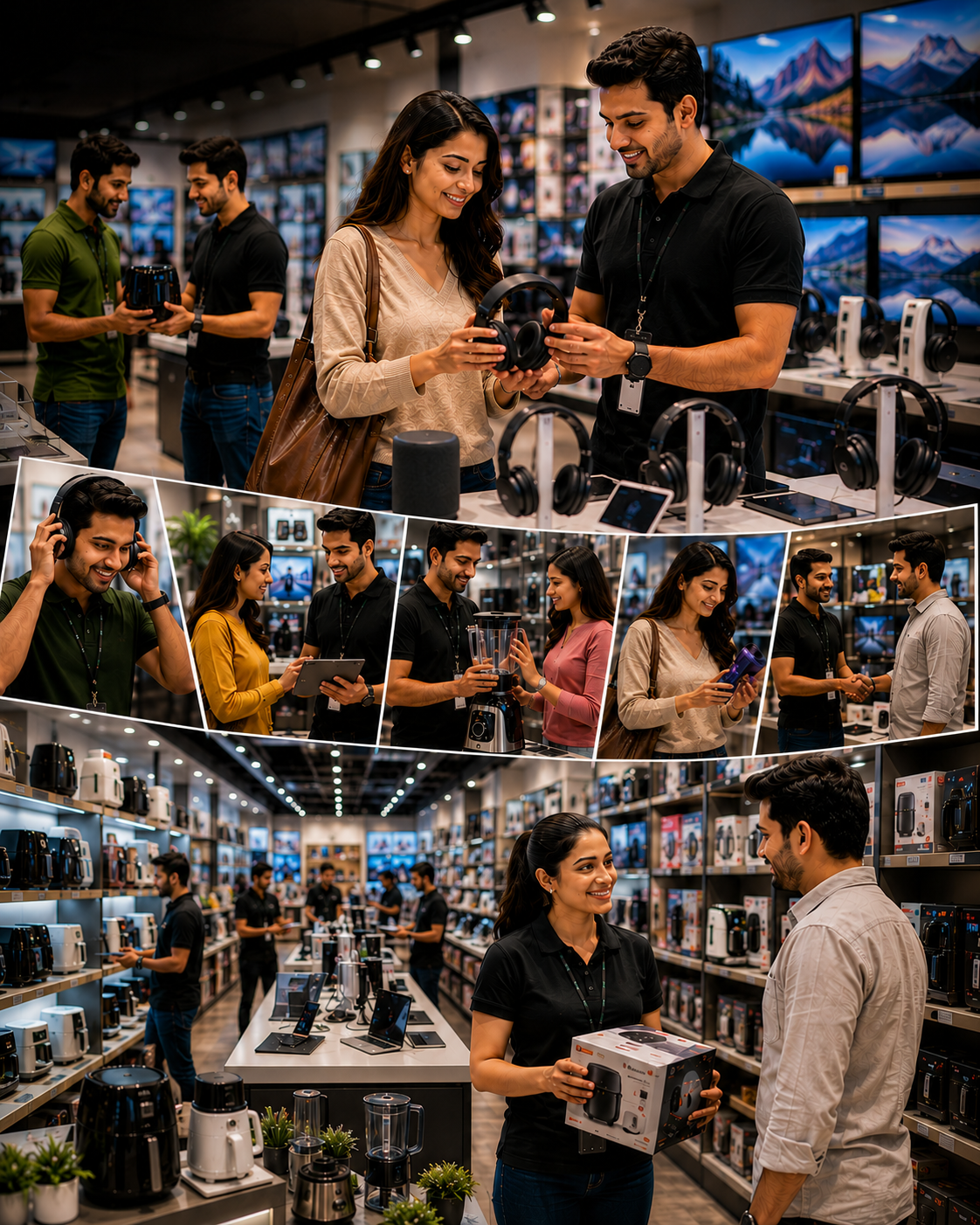
Modern consumers are more informed and selective than ever before. Before entering a store, many customers have already researched products online. What they now seek inside the store is reassurance, engagement, and a memorable shopping journey.
A well-executed retail experience helps customers:
  • Interact with products physically
  • Compare options confidently
  • Receive personalised assistance
  • Experience the brand beyond digital screens
This is especially important in sectors like consumer electronics, appliances, beauty, fashion, and FMCG, where touch-and-feel experiences strongly influence buying decisions.
2. Offline Retail Has an Advantage E-Commerce Cannot Fully Replicate
While online shopping offers convenience, physical stores offer something digital platforms struggle to recreate human interaction and sensory engagement.
Customers can:
  • Test products in real time
  • Ask questions instantly
  • Receive live demo
  • Experience product quality firsthand
  • Build trust through promoter interactions
This is where retail workforce management becomes critical. Skilled in-store promoters and trained retail staff play a major role in influencing buying decisions at the last mile.
For many brands, the store shelf is still the final battlefield where purchase decisions are won or lost.
3. Strong Retail Visibility Drives Better Conversions
A customer may enter a store intending to buy one product but leave with another brand entirely because of stronger in-store visibility.
This is why retail visibility solutions have become a strategic priority for brands across India.
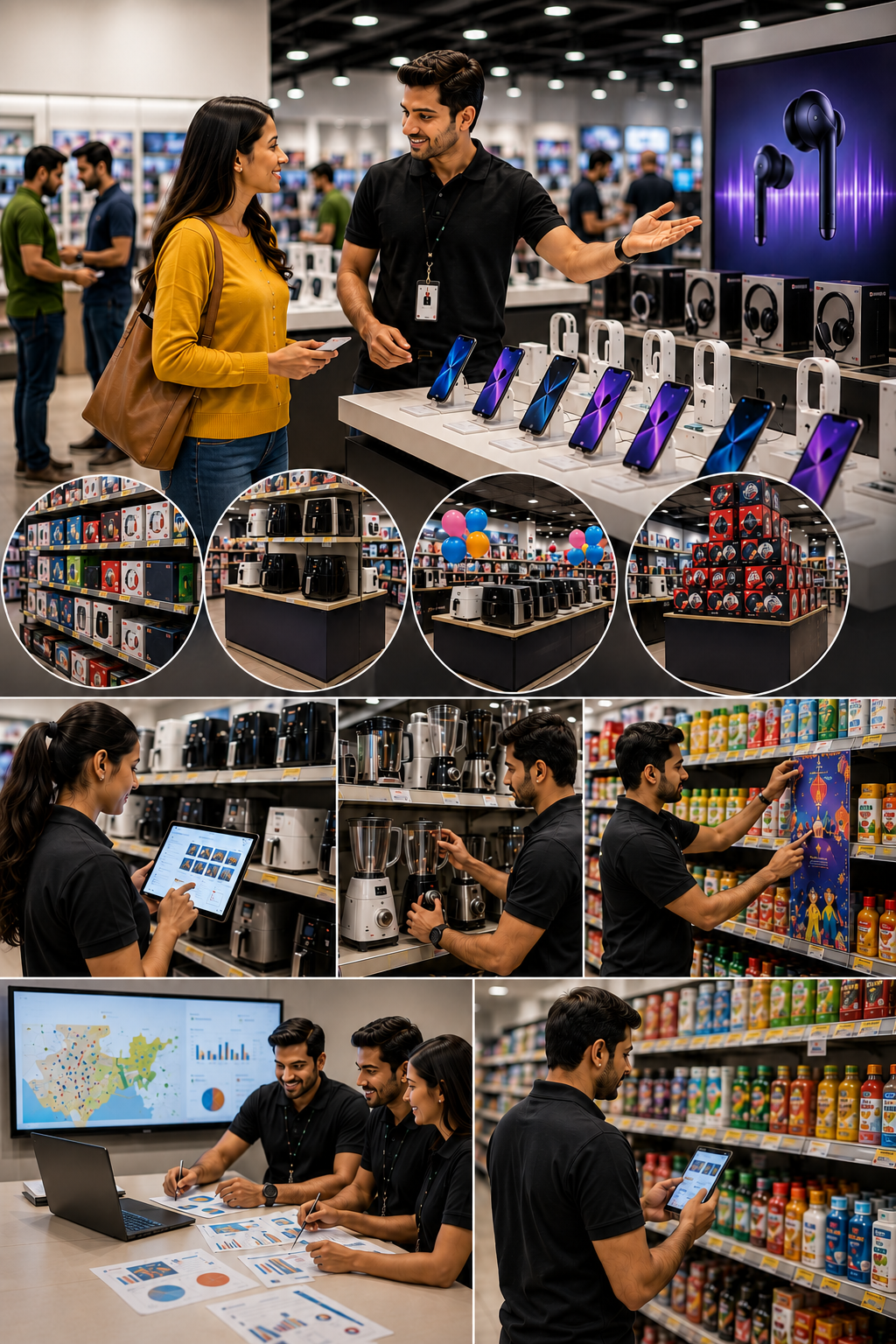
Effective retail execution includes:
  • Eye-level product placement
  • Planogram compliance
  • Secondary displays
  • End-cap branding
  • POP and POS deployment
  • Seasonal visual merchandising
  • Promotional visibility
Without consistent execution at the store level, even the strongest marketing campaigns lose impact.
For growing brands, maintaining consistent retail visibility across multiple cities and outlets requires a strong field force management company and real-time retail execution tracking.
4. Brand Storytelling Happens Inside the Store
A retail store is one of the most powerful brand storytelling platforms available today.
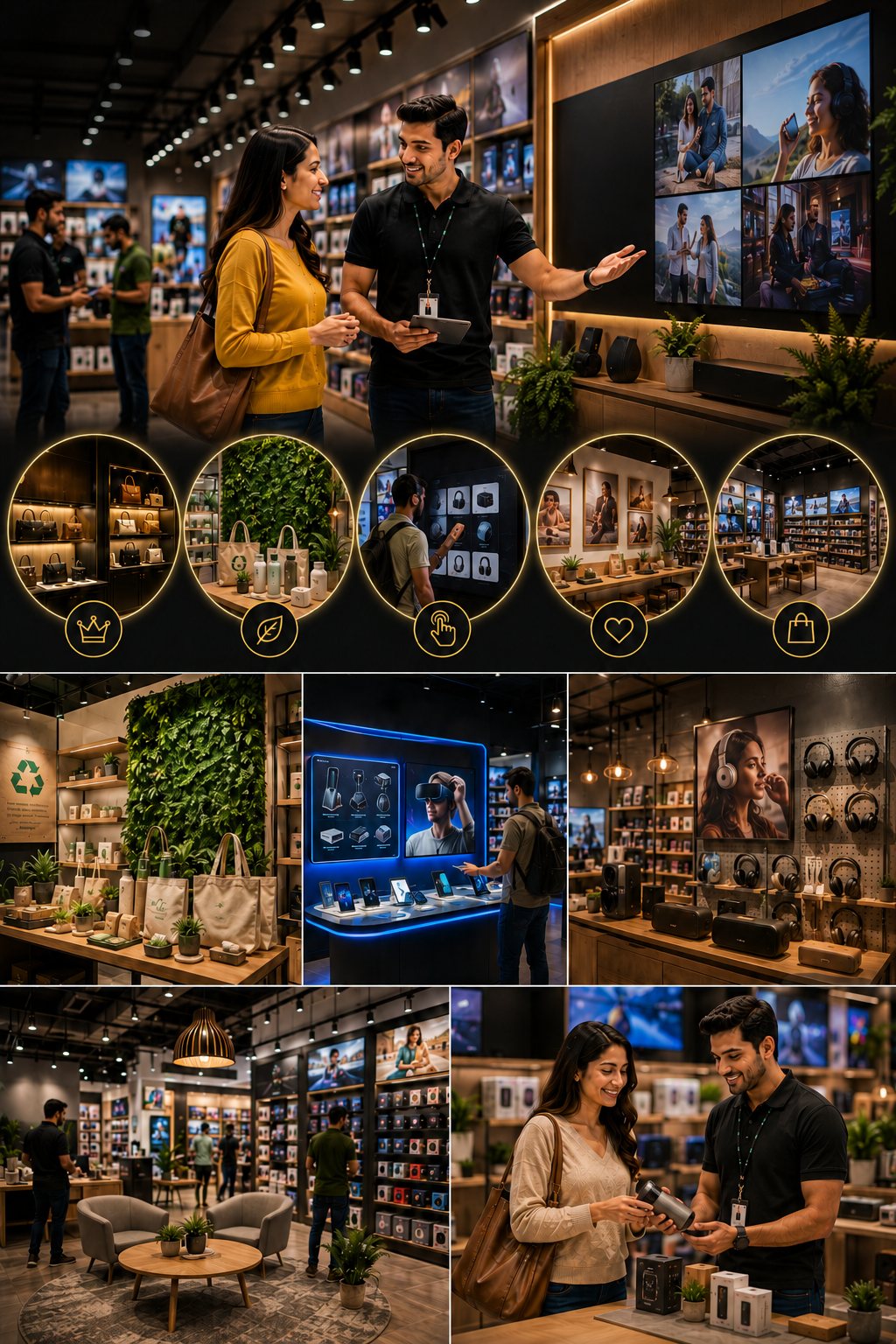
Every element inside the store communicates something about the brand:
  • Premium brands communicate exclusivity through design and presentation
  • Sustainable brands showcase eco-conscious materials and minimalism
  • Tech brands create interactive and immersive product experiences
Customers remember brands that create emotional connections.
A thoughtfully designed retail environment increases both recall value and customer engagement.
5. Technology Is Transforming Retail Execution
Technology has significantly changed how brands manage in-store experiences.
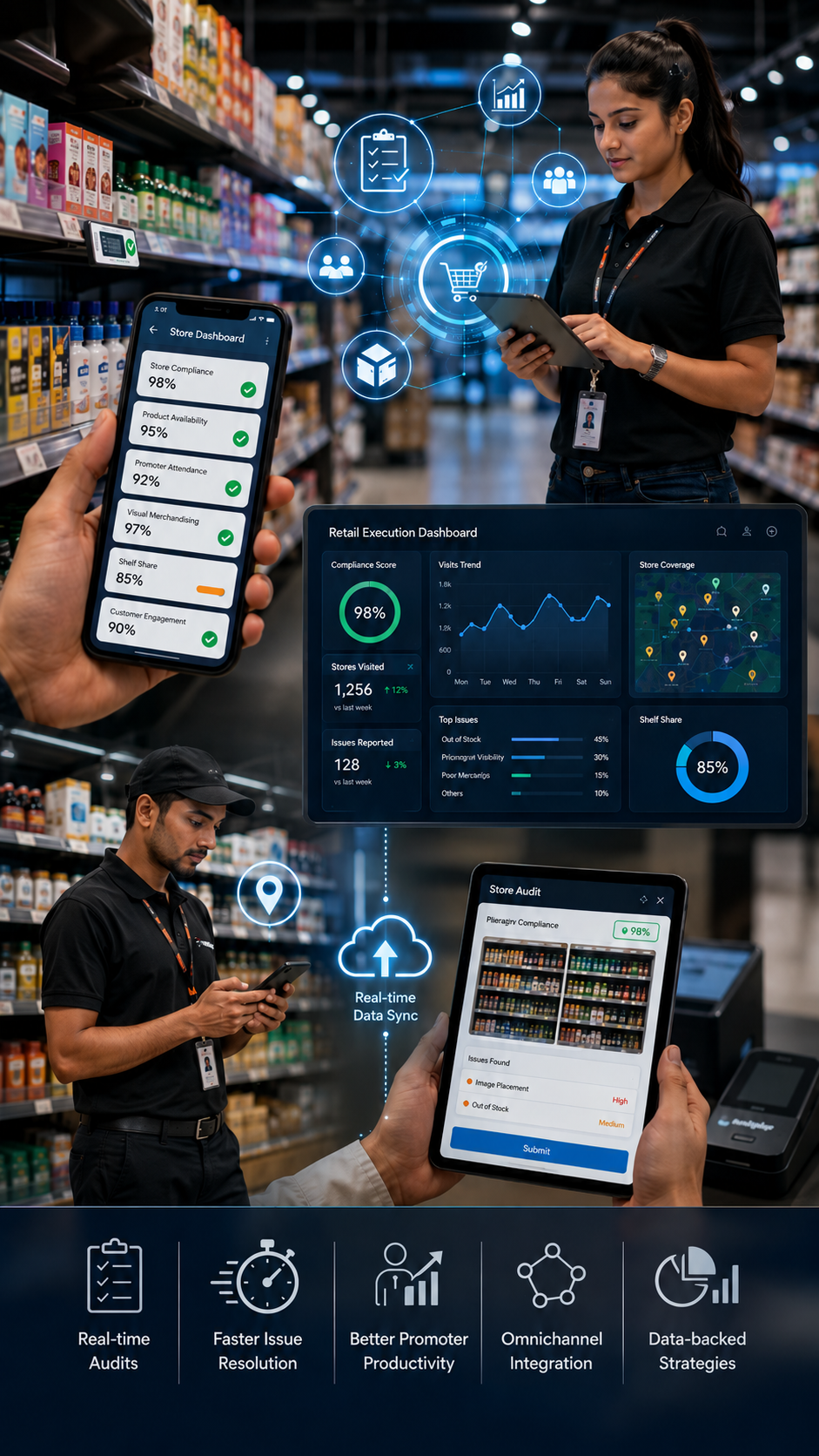
Today, retailers and brands use advanced retail execution tools to monitor:
  • Store compliance
  • Product availability
  • Promoter attendance
  • Visual merchandising standards
  • Shelf share
  • Customer engagement metrics
Solutions like field force automation and retail tracking software help brands achieve faster reporting, better visibility, and improved decision-making.
Technology-led retail execution management also enables:
  • Real-time audits
  • Faster issue resolution
  • Better promoter productivity
  • Omnichannel retail integration
  • Data-backed retail strategies
As retail becomes increasingly data-driven, brands that combine technology with strong on-ground execution gain a significant competitive advantage.
6. Employees Shape Customer Perception
Even the best-designed retail stores can fail if customer interactions are poor.
Frontline retail teams are often the first human connection customers have with a brand. Their behaviour directly influences customer trust and satisfaction.
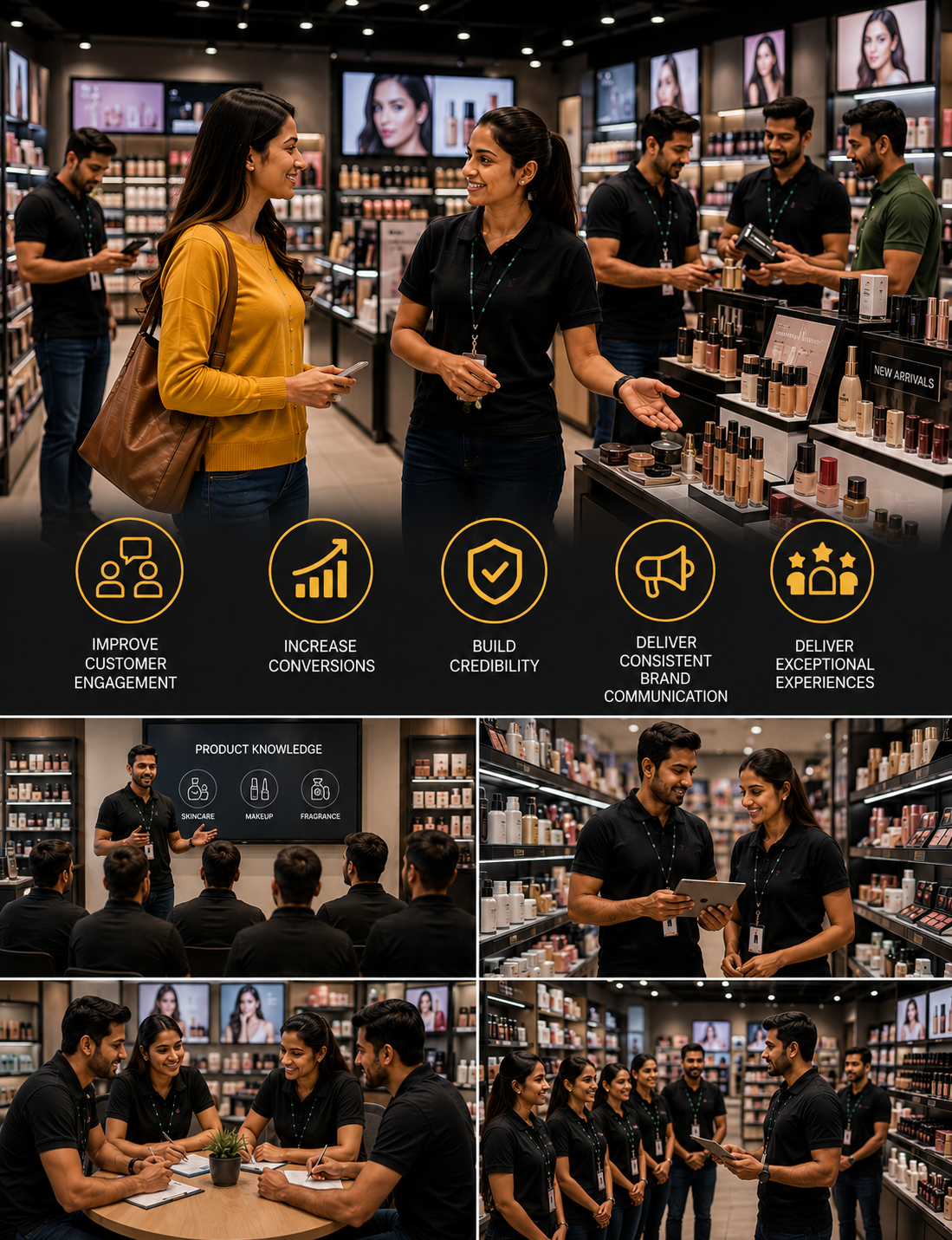
Well-trained retail promoters and field teams help brands:
  • Improve customer engagement
  • Increase conversions
  • Improve customer engagement
  • Increase conversions
This is why companies across India are increasingly partnering with retail workforce management companies that specialise in hiring, training, deployment, and retail execution support.

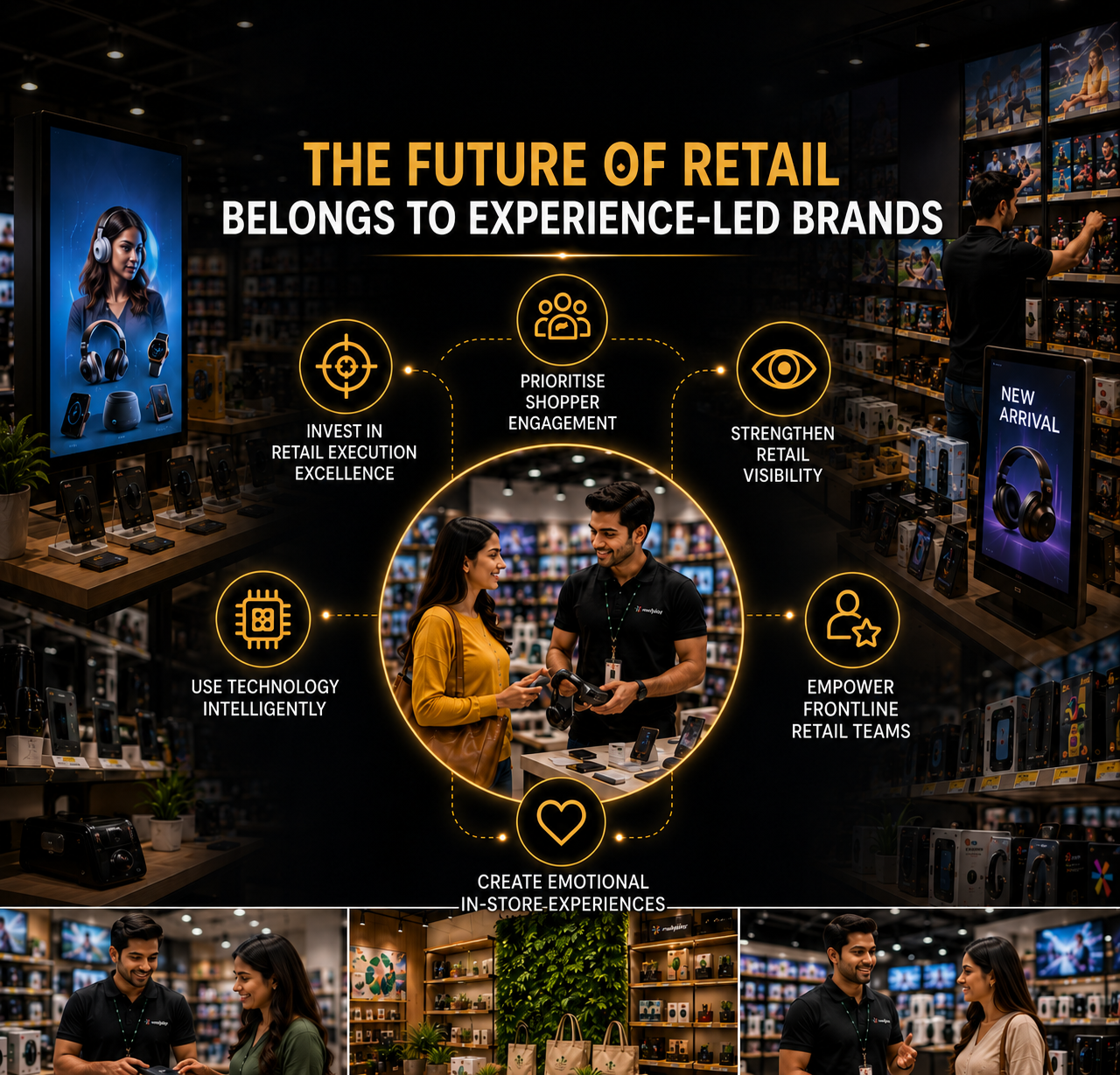
The Future of Retail Belongs to Experience-Led Brands

The future of retail is not online versus offline — it is about creating connected, seamless, and memorable customer experiences across every touchpoint.
Brands that succeed in modern retail will be the ones that:
  • Invest in retail execution excellence
  • Prioritise shopper engagement
  • Strengthen retail visibility
  • Use technology intelligently
  • Empower frontline retail teams
  • Create emotional in-store experiences
In a market filled with endless consumer choices, experience is becoming the biggest differentiator.

Provide your details to get a demo now