Skip to content

Building Accountable Retail Teams, the Right Way
By Deepika Khanna
In retail, success is decided long before monthly reviews or leadership meetings. It happens daily on the shop floor, through how consistently frontline teams execute.
Yet most retail managers face the same challenge:
How do you ensure accountability without constantly checking, calling, or correcting?
The answer isn’t tighter control.
It’s clarity, visibility, and trust, supported by the right systems.
How do you ensure accountability without constantly checking, calling, or correcting?
The answer isn’t tighter control.
It’s clarity, visibility, and trust, supported by the right systems.
The Core Problem: Control vs Ownership
When expectations aren’t clear, managers step in too often. That leads to micromanagement, low morale, and disengaged staff.
When there’s too little structure, execution becomes inconsistent and customer experience suffers.
Accountability sits right in the middle where teams know exactly what’s expected and can track their own performance.

What Strong Retail Accountability Really Looks Like
1. Clear, measurable expectations
Frontline teams perform better when success is clearly defined daily sales goals, store hygiene standards, attendance norms, and basic customer experience benchmarks. When expectations are measurable, reminders reduce automatically.
2. Visibility replaces follow-ups
Daily task lists, planograms, and simple reporting formats help teams stay aligned. When work is visible, managers don’t need to ask repeatedly and staff take ownership.
3. Enable teams with tools, not pressure
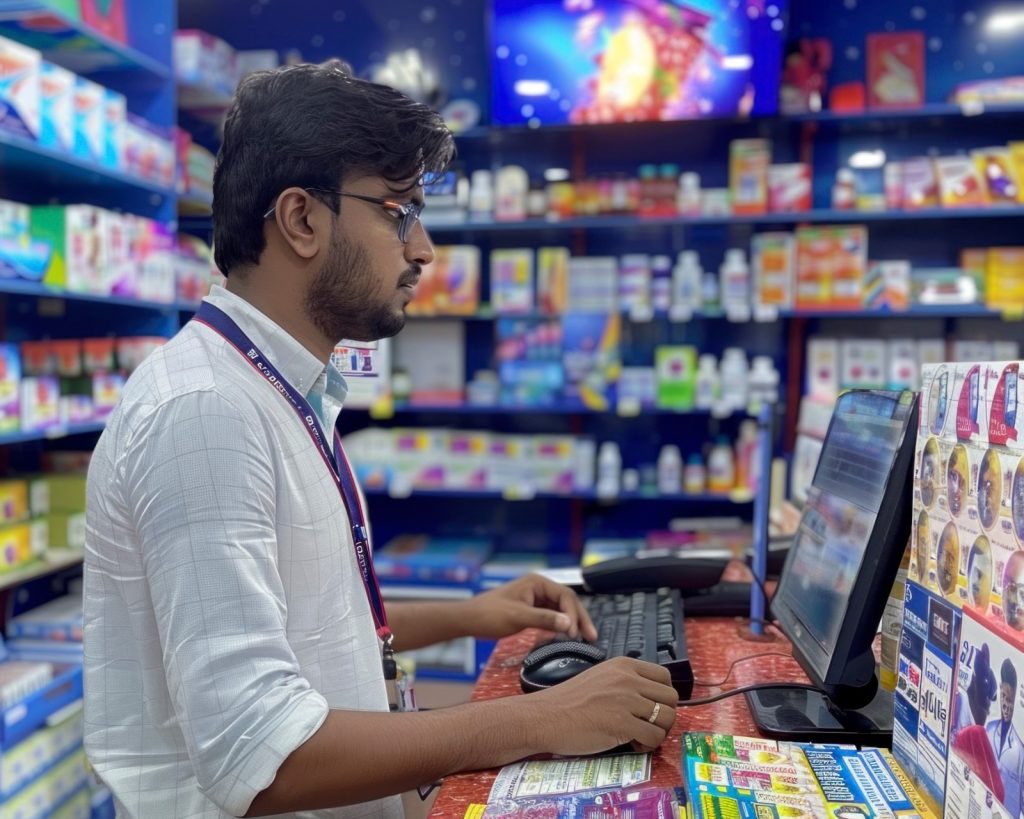
Mobile reporting, task tracking, and easy access to SOPs remove confusion. The less friction employees face, the more confident and accountable they become.
4. Trust through ownership
Assigning responsibility for a section, category, or daily store routine builds natural accountability. People take ownership when they feel trusted, not monitored.
Decathlon is widely recognized for empowering its frontline teams. Store associates are given clear KPIs, strong product training, and real ownership of their departments. Instead of constant supervision, performance is tracked through structured systems and transparent metrics.
This approach allows managers to focus on coaching rather than control while employees feel responsible for outcomes, not just tasks.
Result: high engagement, consistent execution, and strong customer experience across stores.
The Takeaway
Retail accountability doesn’t come from watching people closely.
It comes from setting clarity, enabling teams, and creating visibility through systems.
It comes from setting clarity, enabling teams, and creating visibility through systems.
When employees know what’s expected and can see how they’re performing micromanagement becomes unnecessary.
That’s when retail teams stop being managed…
and start taking ownership.
and start taking ownership.